← All guides4Always on

Use guest photos in your marketing
(and stay friends)

8 min readUses Media libraryLead capture

The short version

  1. 1Ask before the upload, not after the post. Your terms, in plain words, before the first photo goes in.
  2. 2Keep "upload" and "marketing" as two separate yeses. And never bundle either with the raffle.
  3. 3Ask again for the big stuff. Paid ads and billboards deserve a direct message.

Five habits, zero awkward DMs

1Step 1 of 5

Write your terms in words a guest will read

Guests own the photos they take. If you want to use them, they need to agree, and they need to understand what they agreed to. Three sentences beat three pages.

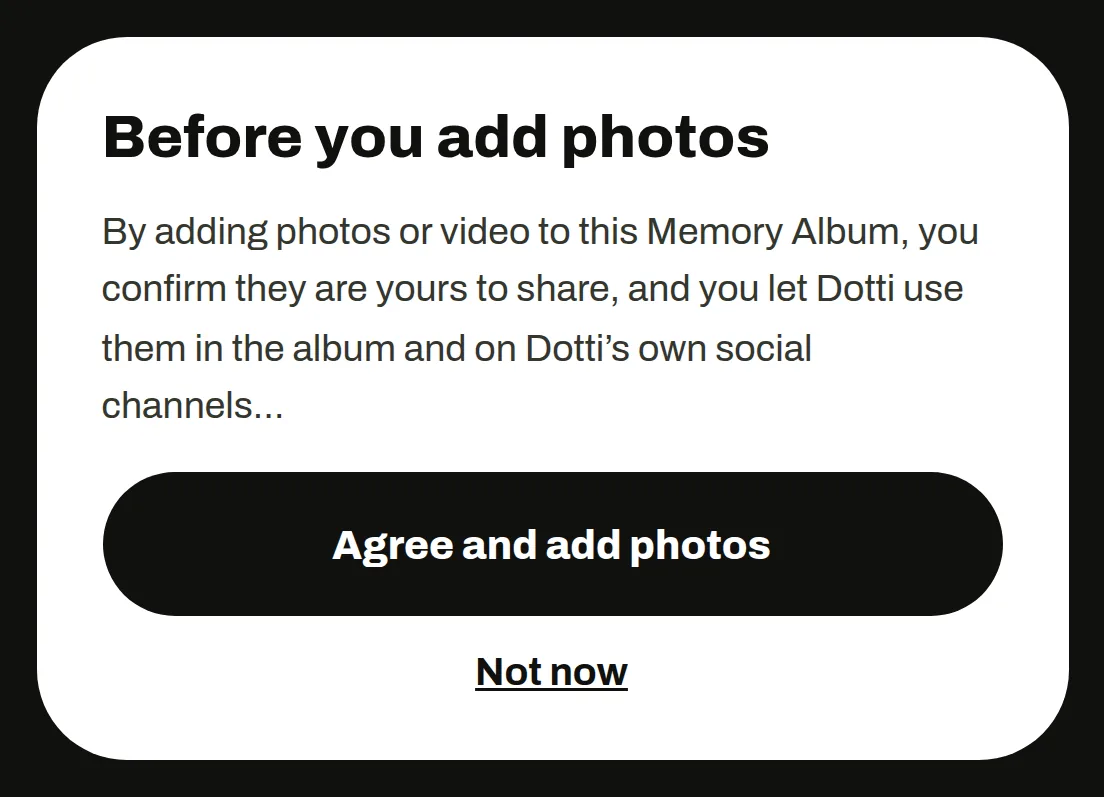
Say what you'll do (post on your channels, use in a recap), what you won't (sell them, use them in paid ads without asking) and how to get a photo taken down. Then show those terms before a guest's first upload, not in a link nobody opens.

Run your wording past whoever handles legal for you. Then make it shorter.
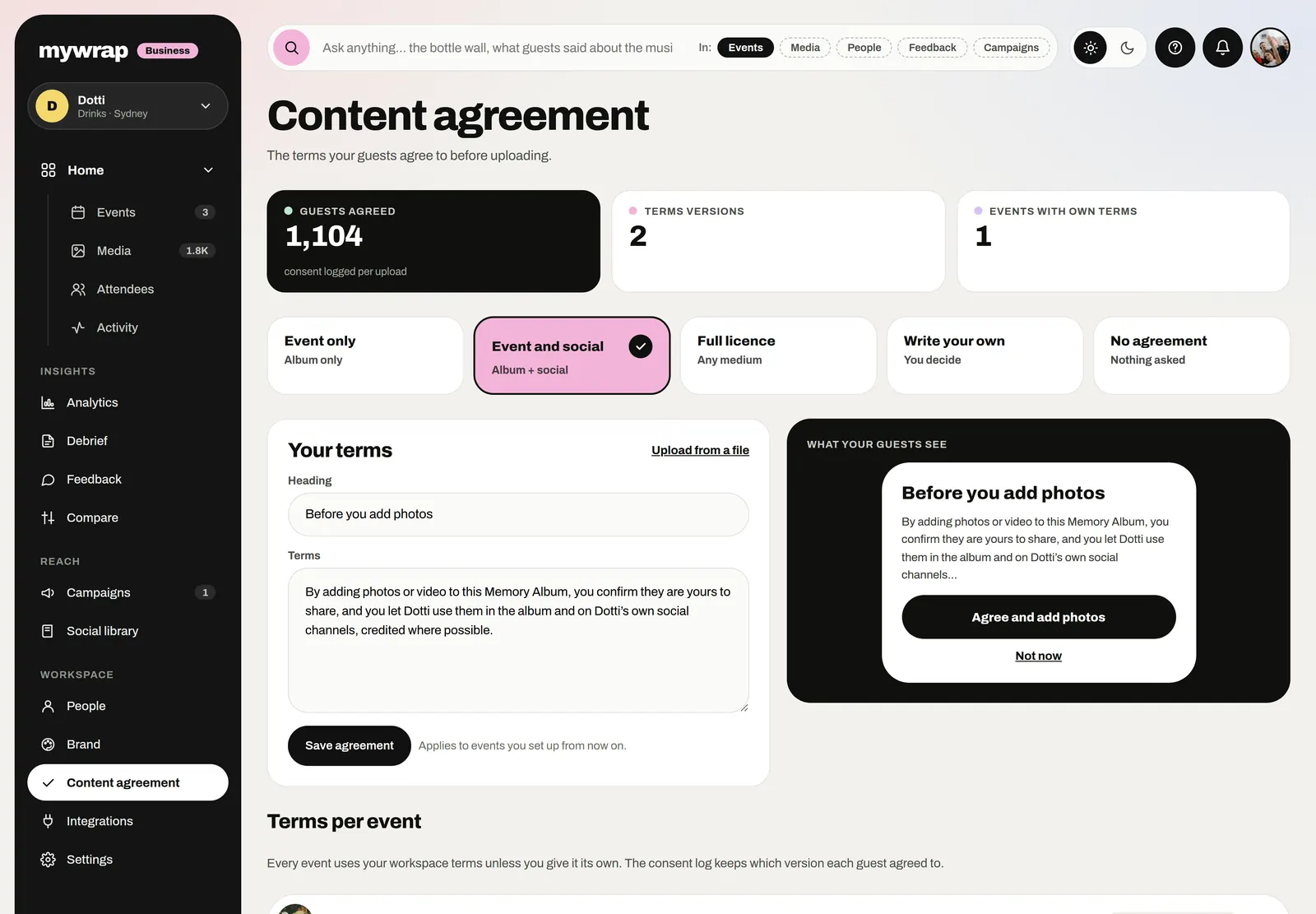
The Content agreement page with the terms guests see before they add photos
What a guest sees before adding photos, with Agree and add photos
2Step 2 of 5

Keep upload consent and marketing consent apart

Agreeing to add a photo to an album is one thing. Agreeing to hear from your brand is another. Folding them together feels sneaky, and guests notice.

Keep marketing sign-up on its own clear opt-in, in your own wording. Lead capture saves each guest's consent with the exact words they saw, and syncs to Klaviyo or HubSpot.

And never make either one the price of a raffle ticket. "Enter the draw" and "send me emails" should be two separate taps.

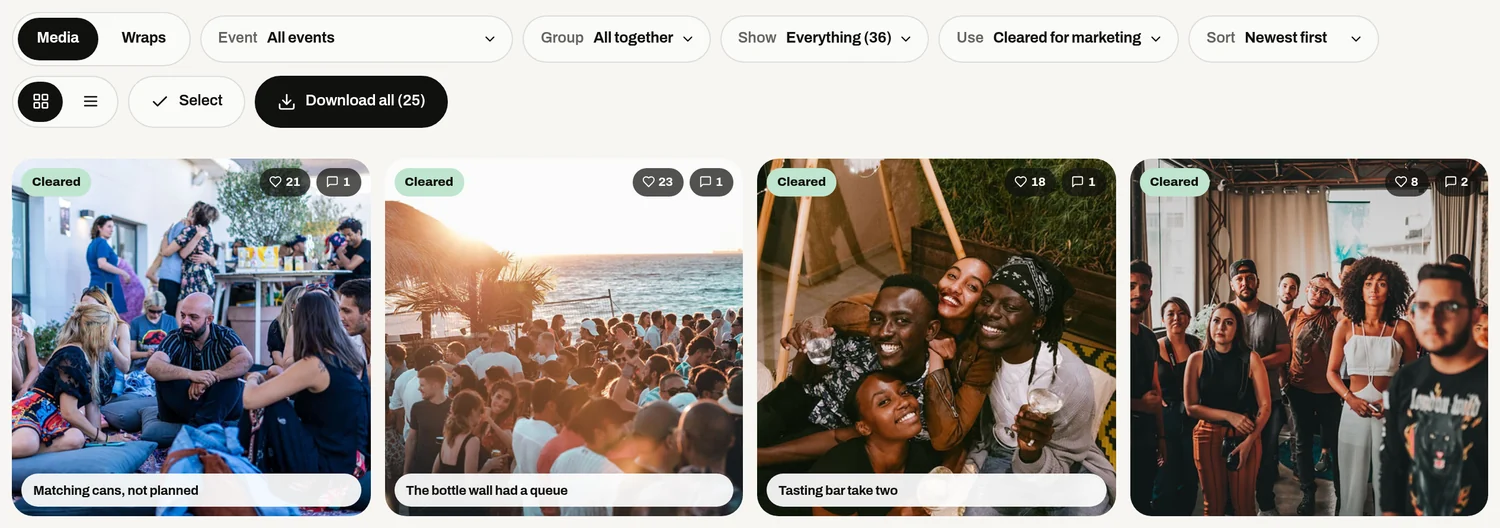
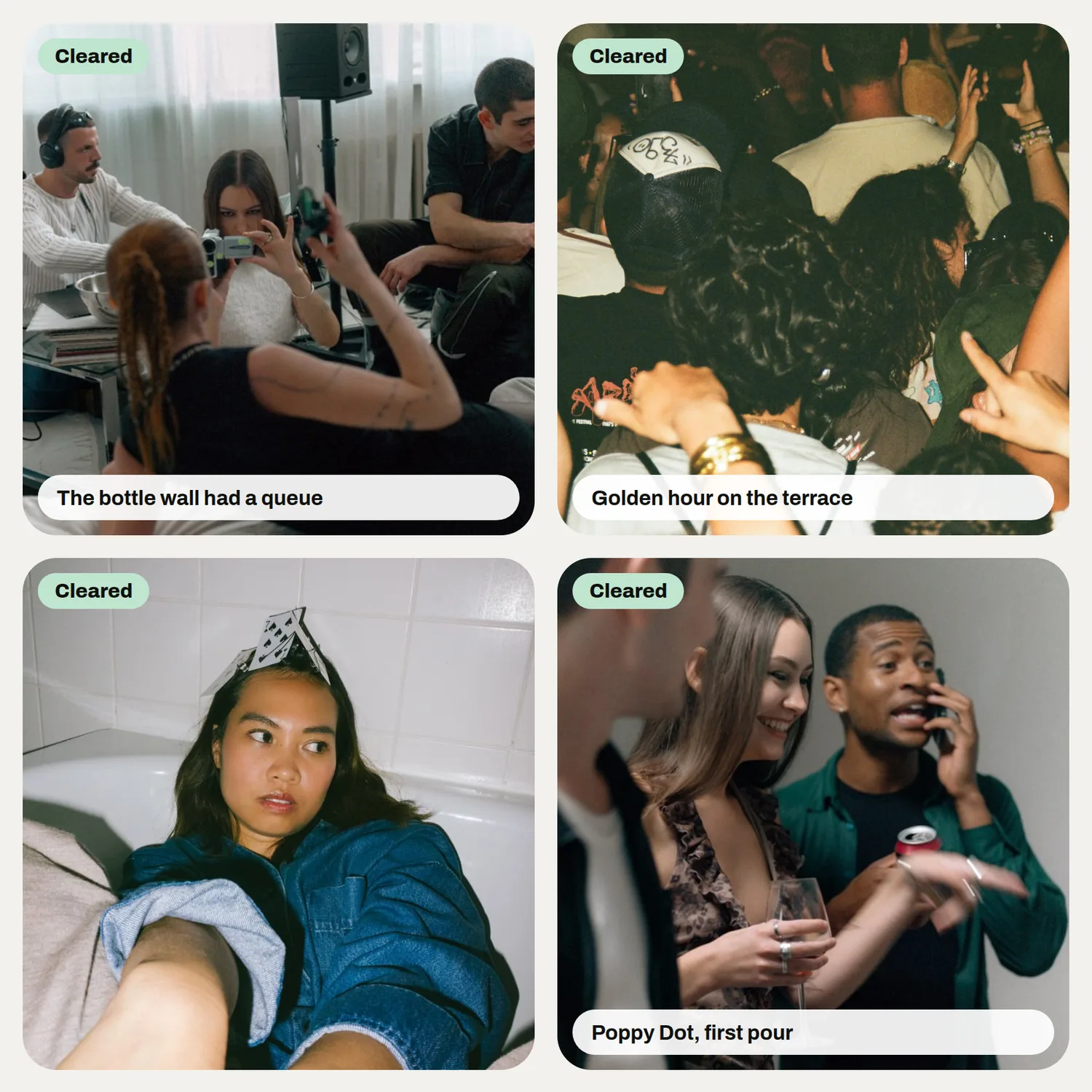
The Media page with Use set to Cleared for marketing, showing only photos marked Cleared
The Use filter on Cleared for marketing, above four photos each marked Cleared
Set Use to Cleared for marketing to see only the photos whose guests said yes to your marketing.
3Step 3 of 5

Keep UGC rights for events with the photo, forever

Six months from now someone will find a great shot and ask "can we use this?". The answer needs to be attached to the photo, not in somebody's memory.

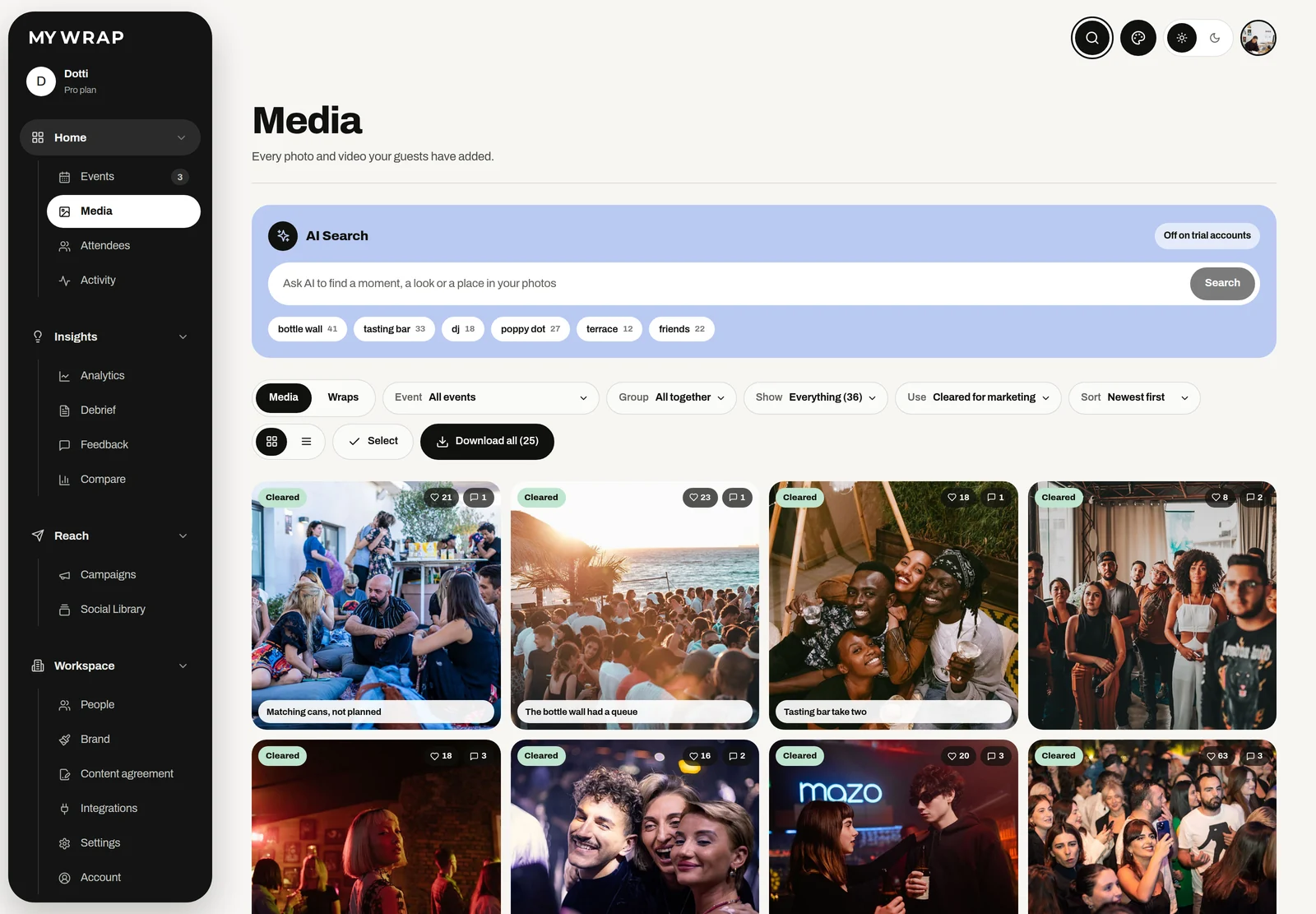
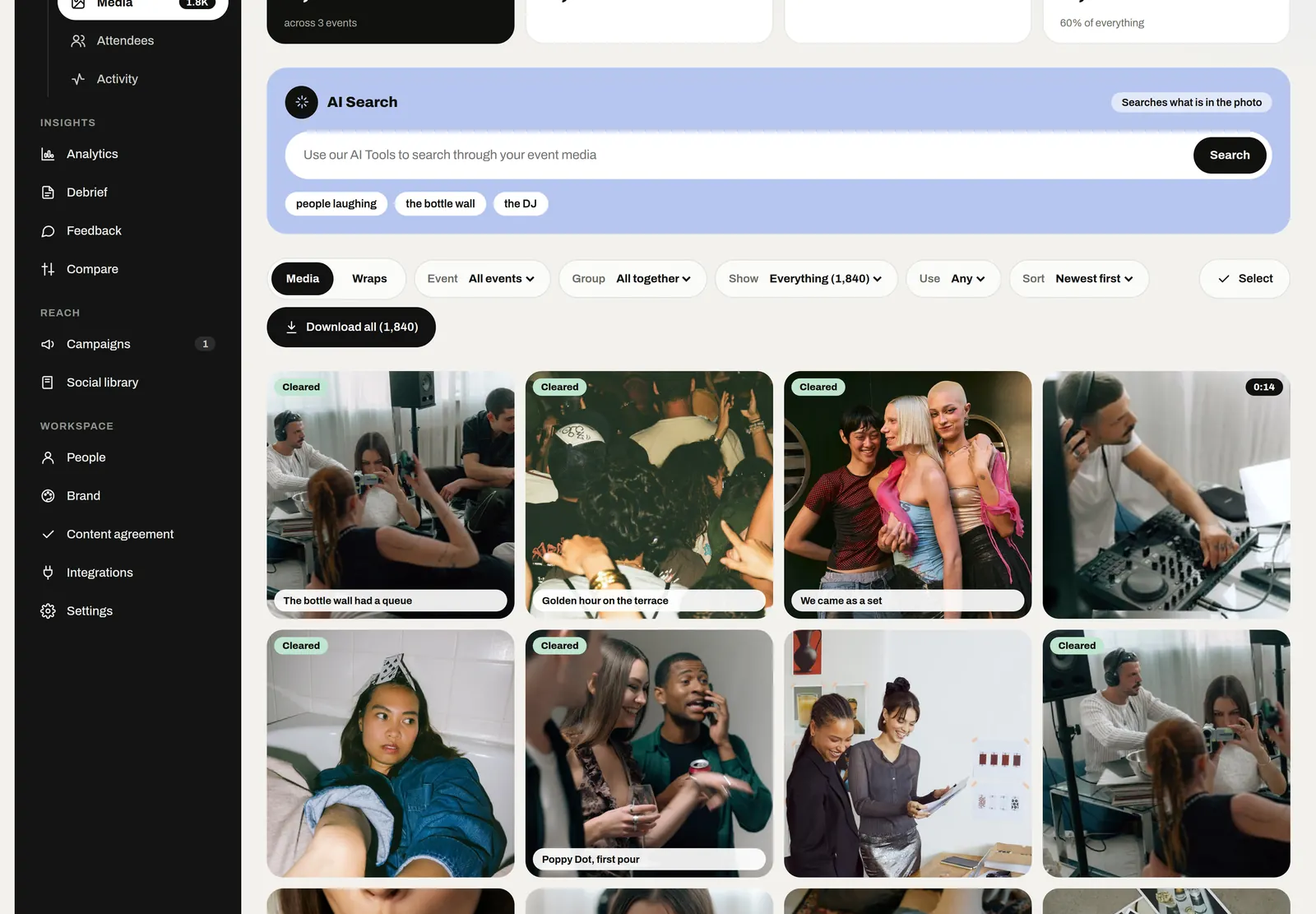
The media library files every photo and clip by event, with its usage rights. So you can see which shots are cleared for marketing before they go anywhere, years later, after the person who ran the event has moved on.

Photos pulled from a hashtag search don't come with any of that. Treat them as "ask first" every time.

The Media library: every photo and video from the brand’s events, each marked with its rights
Four photos in the library, each tagged as cleared for marketing
Each photo keeps its consent record for as long as you keep it.
4Step 4 of 5

Ask again when the stakes go up

Posting a crowd shot on your own feed is one level. Putting a single recognisable face in a paid ad, on a poster or in a client pitch is another. For anything big, send a direct message and get a fresh, specific yes.

Be specific: which photo, where it'll appear, for how long. Most people say yes happily when they're asked properly, and plenty will be thrilled.

Keep the reply. A screenshot of "yes, go for it!" filed with the photo is worth more than a vague memory of a chat.

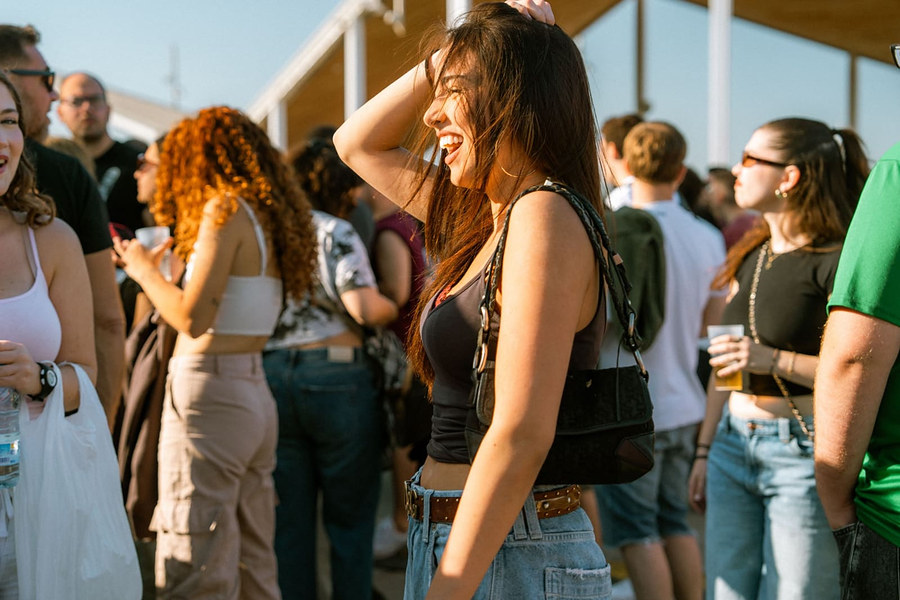
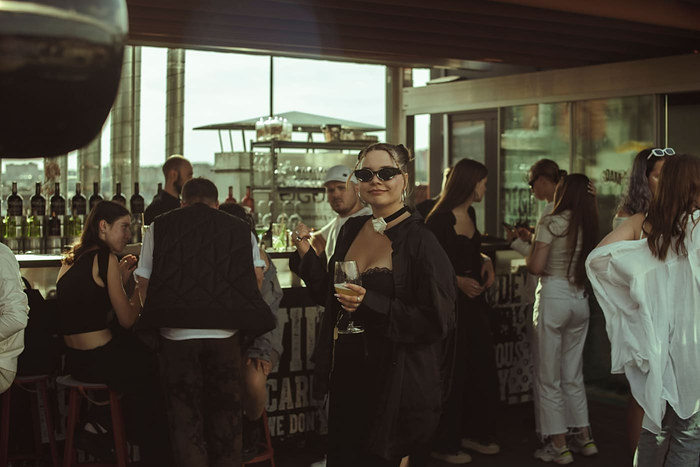
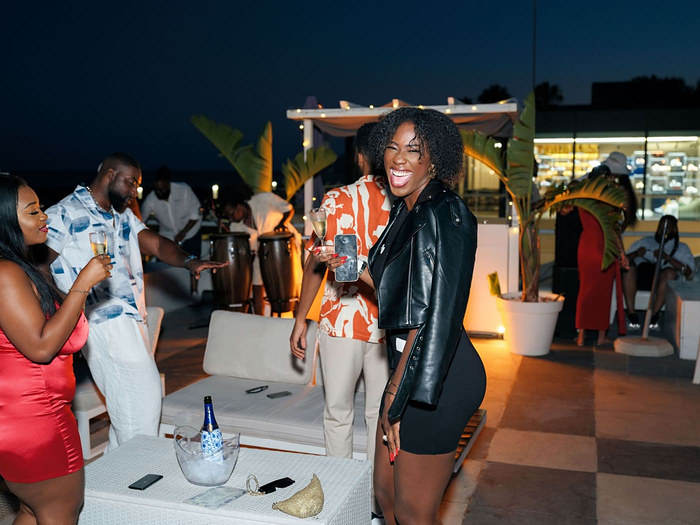
Guests laughing on a rooftop in the sunA crowd on your feedA guest dancing at a rooftop party at duskOne face in an ad
Two different asks.
5Step 5 of 5

Credit people and take things down fast

Credit the photographer when you post, by handle if you have it. It costs nothing, it's polite, and guests love seeing their name on a brand's feed.

When someone asks for a photo to come down, take it down the same day and say thank you for asking. A quick, gracious takedown keeps a guest. A slow one makes a story.

That's the whole of handling UGC rights for events well: ask clearly, keep the record, ask again for big uses, and say yes fast when someone changes their mind.

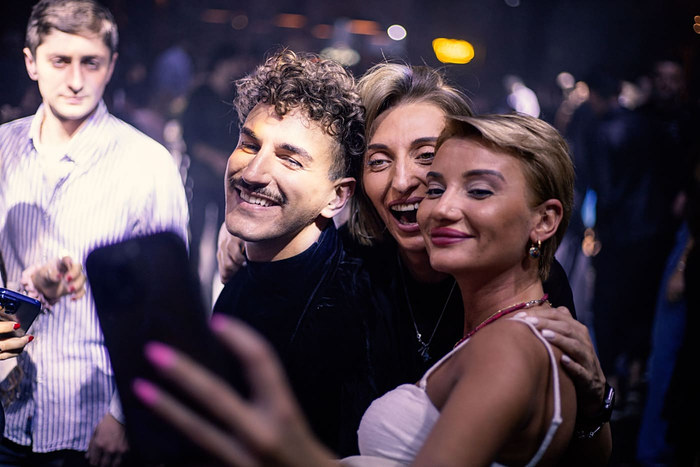
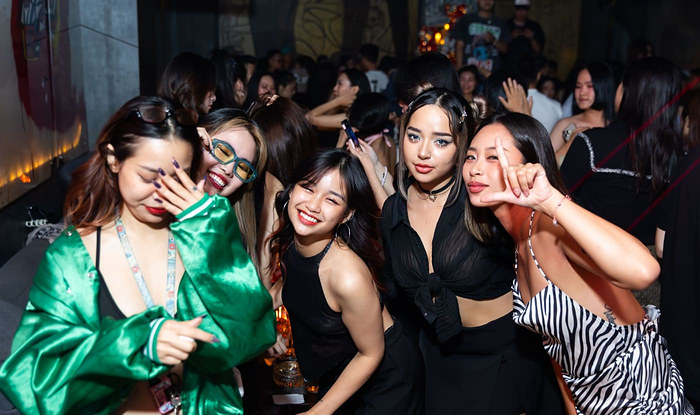
Three friends taking a selfie@maya.cFriends posing together on a night out@priya.nFriends laughing into a selfie@jordanellis
Credit by handle when you have it.

Your take

Three quick ones. Tap an answer to see how everyone else replied. We read every answer, it shapes what we build next.

1 of 3

How do you get permission to use guest photos today?

2 of 3

Could you prove who agreed to a photo from six months ago?

3 of 3

What worries you most about using guest photos?

What you wish this guide covered, what drives you mad about event photos, anything. Read by the people building MyWrap.

Steal this

Wording to adapt. Run it past whoever handles legal for you first.

Plain-words upload terms

“By adding photos and videos here, you agree [Brand] may share them on our own channels and in recaps of this event, with credit where we can. We won't sell them or use them in paid ads without asking you first. Want one taken down? Email [address] and we'll remove it.”

Separate marketing opt-in

“Want an invite to the next one? Leave your email and we'll send event news, a few times a year. Unsubscribe anytime.”

Asking for a bigger use

“Hi [name]! We love the photo you added from [event] (the one of [description]). Could we use it in [where] for [how long]? We'll credit you as [handle]. Totally fine to say no.”

Fair questions

What are UGC rights for events?

UGC means user-generated content: the photos and videos guests create at an event. UGC rights are the permissions a brand needs to reuse them. The guest usually owns what they shoot, so the brand needs a clear, recorded agreement before using it.

Who owns photos guests take at a brand event?

Generally the guest who took them, unless they agreed to terms that let you use them. That's why the agreement needs to come before the upload.

Can I repost a guest's photo if they used our hashtag?

Using your hashtag isn't the same as agreeing to your terms. Ask first, credit them, and keep their reply with the photo.

Do I need separate consent for paid ads?

It's good practice to ask again for anything beyond your own organic posts, such as paid ads, print or client pitches. Be specific about which photo, where and for how long.

Is this legal advice?

No. This is practical advice from running events, not legal advice. Laws differ by country and use, so have someone qualified check your wording before you rely on it.

Next up

See all guides